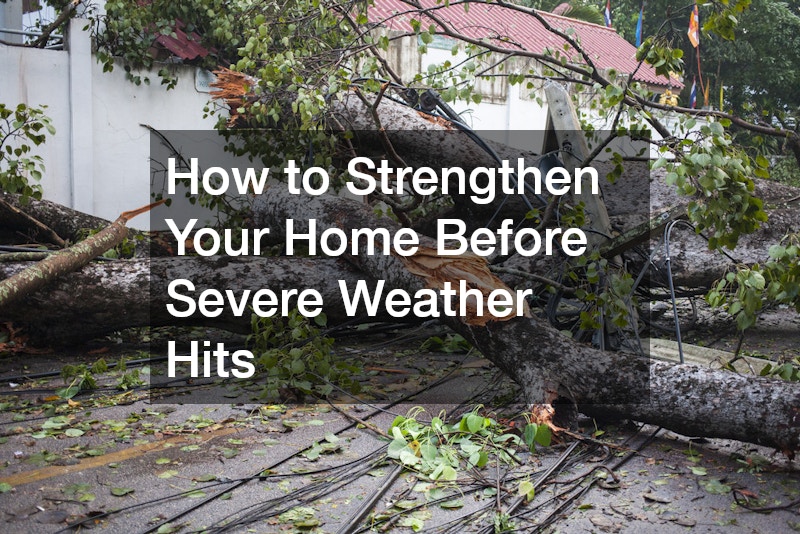

Severe weather can arrive with little warning, leaving homeowners scrambling to protect their property and loved ones. Hurricanes, tropical storms, heavy rain, hail, strong winds, and even winter storms can cause expensive structural damage and long-term safety concerns. While no home is completely immune to extreme weather, proactive preparation can significantly reduce the chances of major destruction.
Many homeowners wait until a storm warning is issued before taking action, but effective protection starts long before weather conditions worsen. Strengthening vulnerable areas, improving structural durability, and creating an emergency preparedness strategy can help families stay safer while minimizing repair costs later.
Preparing your home is not only about avoiding damage. It is also about maintaining comfort, preserving property value, and reducing stress during unpredictable situations. With the right improvements and preventative measures, homeowners can feel more confident when severe weather threatens their area.
Assess Your Home’s Most Vulnerable Exterior Areas
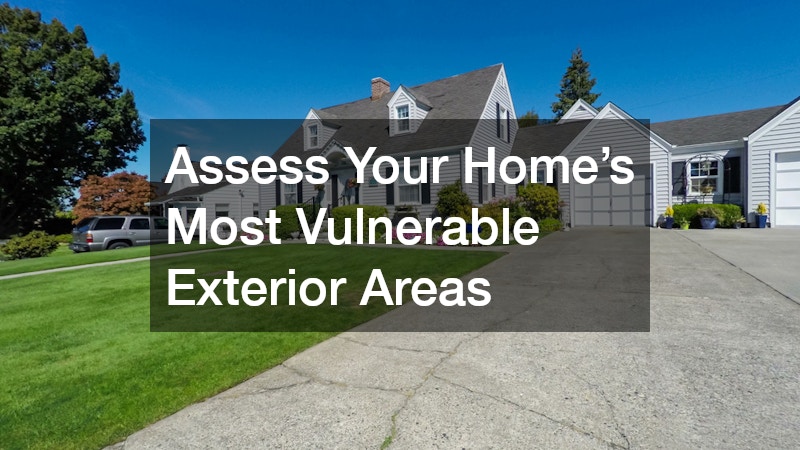
Before investing in upgrades or repairs, inspect your property carefully to identify the areas most likely to fail during severe weather. Many problems develop gradually over time, making them easy to overlook until heavy rain or strong winds expose hidden weaknesses.
Walk around your home and examine:
- Roof edges and flashing
- Gutters and downspouts
- Window seals
- Exterior doors
- Siding and trim
- Garage doors
- Drainage systems
- Outdoor structures
Pay close attention to signs of wear such as loose materials, cracks, water stains, rust, or warped surfaces. Small defects can quickly become major entry points for moisture and wind during storms.
It is also important to inspect landscaping around the home. Overgrown tree branches hanging above the roof can break during high winds and damage shingles or windows. Loose outdoor furniture, planters, and decorations can become dangerous projectiles.
A seasonal checklist can help homeowners stay organized throughout the year. Regular inspections allow you to address problems before emergency conditions make repairs more difficult or expensive.
Helpful inspection habits include:
- Checking gutters after major storms
- Inspecting attic spaces for moisture
- Testing sump pumps before rainy seasons
- Looking for pooling water near foundations
- Examining fences for weak sections
Preventive maintenance is one of the most effective ways to reduce severe weather risks.
Reinforce Windows to Reduce Storm Damage Risks
Windows are among the most vulnerable areas of any home during severe weather. Strong winds and flying debris can shatter glass quickly, allowing rain and pressure changes to enter the home. Once a window fails, interior damage often spreads rapidly.
Installing hurricane impact windows can provide significant protection against wind-driven debris and heavy storms. These windows are designed with reinforced materials that resist shattering even when struck by airborne objects.
Benefits of stronger window systems include:
- Reduced storm damage risks
- Better energy efficiency
- Improved indoor noise reduction
- Increased home security
- Lower long-term maintenance needs
In addition to upgraded windows, homeowners should consider adding hurricane shutters for another layer of defense. Protective shutters help shield vulnerable glass surfaces while reducing the chances of internal pressure buildup during severe storms.
Different shutter options include:
- Accordion shutters
- Roll-down shutters
- Storm panels
- Bahama shutters
- Colonial shutters
Each style offers unique benefits depending on climate, budget, and aesthetic preferences.
Homeowners should also inspect window frames regularly for:
- Cracked caulking
- Moisture intrusion
- Loose hardware
- Wood rot
- Seal deterioration
Even strong windows can fail if the surrounding materials are weak or poorly maintained.
Choose Protective Window Coverings That Fit Your Climate
Storm protection systems work best when tailored to your local weather conditions and property layout. Coastal homeowners often require stronger barriers than homes located farther inland, while areas prone to hail or tornadoes may need additional reinforcement.
Working with a professional shutter company can help homeowners determine the best protective solutions for their specific environment. Experienced specialists understand regional storm patterns and can recommend products that meet local building codes.
When evaluating protective systems, consider factors such as:
- Wind resistance ratings
- Ease of operation
- Material durability
- Maintenance requirements
- Storage space needs
- Appearance and curb appeal
Some homeowners prefer permanent systems because they are easier to deploy quickly before a storm. Others choose removable panels for lower upfront costs.
Modern hurricane shutters are available in a variety of styles that blend with the overall appearance of the home while still providing strong protection.
Maintenance is equally important after installation. Homeowners should:
- Lubricate moving parts regularly
- Inspect fasteners for corrosion
- Remove debris from tracks
- Test deployment systems before storm season
- Repair damaged components promptly
Neglecting maintenance can reduce the effectiveness of storm protection systems when they are needed most.
Inspect Roofing Materials Before Small Problems Worsen
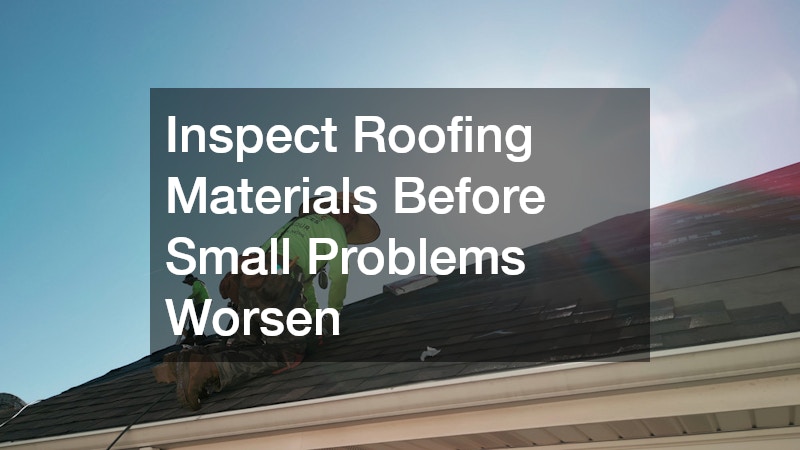
The roof acts as the home’s primary defense against severe weather, making regular inspections extremely important. Unfortunately, many homeowners do not notice roofing damage until water leaks develop indoors.
Scheduling preventative roof repair before storm season can help eliminate weak points that may worsen during heavy weather. Small issues such as lifted shingles or damaged flashing can allow water intrusion during high winds and heavy rainfall.
Warning signs homeowners should watch for include:
- Missing shingles
- Curled or cracked roofing materials
- Water stains on ceilings
- Sagging roof sections
- Granules are collecting in gutters
- Mold or mildew growth in attic spaces
A professional roofing contractor can perform a detailed inspection to identify hidden structural concerns before they become expensive emergencies.
Storm-resistant roofing improvements may include:
- Reinforced underlayment
- Upgraded flashing systems
- Stronger fasteners
- Impact-resistant shingles
- Improved attic ventilation
These upgrades can improve the roof’s ability to withstand high winds and moisture exposure.
Homeowners should also inspect roof drainage systems regularly. Clogged gutters and downspouts can cause water to back up beneath roofing materials, increasing the risk of leaks and wood rot.
Work With Trusted Professionals for Structural Roof Improvements
Hiring qualified professionals is essential when preparing a home for severe weather. Poor workmanship can create vulnerabilities that worsen during storms, leading to additional repair costs later.
A reputable local roofer will understand the weather conditions common in your area and recommend materials designed for regional storm challenges. Local professionals are also more familiar with permit requirements and building codes.
Before hiring contractors, homeowners should:
- Verify licenses and insurance coverage
- Request written estimates
- Review references and online feedback
- Confirm warranty details
- Ask about storm-resistant installation methods
A skilled roofing contractor can recommend preventative improvements that strengthen the entire roofing system rather than simply patching visible damage.
Structural improvements may include:
- Reinforcing roof decking
- Installing hurricane straps
- Upgrading flashing systems
- Improving ventilation
- Replacing aging materials
These preventative upgrades often cost far less than major storm damage restoration.
Homeowners should also avoid waiting until severe weather is already approaching before scheduling inspections or repairs. Contractors become extremely busy after storms are forecasted, making it harder to secure timely service.
Planning ahead allows homeowners to make informed decisions without feeling rushed during emergencies.
Prepare Backup Power Systems Before Outages Occur
Power outages are one of the most disruptive consequences of severe weather. Extended outages can affect refrigeration, communication, heating, cooling, medical equipment, and overall household safety.
Installing reliable backup power systems can help homeowners maintain essential functions during emergencies. Many homeowners choose Generac generators because they automatically restore power when outages occur.
Standby systems offer several advantages over portable generators, including:
- Automatic activation
- Greater power capacity
- Safer operation
- Reduced manual setup
- Better protection for sensitive electronics
Professional generator installations are important for ensuring proper sizing, ventilation, and electrical integration. Improper installation can create safety hazards or reduce system performance.
When planning a backup power solution, homeowners should evaluate:
- Household energy needs
- Fuel availability
- Installation location
- Maintenance requirements
- Local code compliance
Essential systems commonly connected to backup generators include:
- Refrigerators and freezers
- HVAC systems
- Medical equipment
- Internet and communication devices
- Sump pumps
- Lighting systems
Routine maintenance is critical for dependable operation. Backup systems should be tested regularly so homeowners know they will function properly during emergencies.
Store Fuel and Heating Supplies Safely for Emergencies
Severe weather can interrupt fuel deliveries and utility services for days or even weeks. Preparing emergency fuel supplies ahead of time helps families maintain comfort and safety during prolonged outages.
Homes that rely on home heating oils should schedule seasonal inspections and fuel deliveries before peak storm periods. Running low during a winter storm can create dangerous indoor conditions.
Important fuel storage safety practices include:
- Using approved containers
- Keeping storage areas ventilated
- Preventing moisture contamination
- Storing fuel away from ignition sources
- Monitoring expiration dates
Homeowners using backup power systems should also maintain fuel reserves for Generac generators whenever possible.
Emergency preparedness kits should contain:
- Flashlights
- Batteries
- Portable phone chargers
- Nonperishable food
- Bottled water
- Blankets
- First aid supplies
- Prescription medications
Households with children, elderly residents, or medical equipment should prepare additional emergency supplies tailored to their specific needs.
It is also helpful to create a communication plan that includes emergency contacts and evacuation procedures.
Review Insurance Coverage Before Storm Season Begins
Many homeowners assume their insurance policies automatically cover every type of storm damage, but coverage limitations and exclusions are common. Reviewing policies before the severe weather season can prevent unpleasant surprises later.
Homeowners’ insurance policies vary significantly depending on location, provider, and property conditions. Some policies may exclude flooding, wind damage, or certain structural issues.
Important areas to review include:
- Roof coverage limitations
- Deductible amounts
- Water damage exclusions
- Temporary housing coverage
- Personal property protection
- Detached structure coverage
Keeping records of roof repair and maintenance work can help support future claims if storm damage occurs. Documentation shows that homeowners took reasonable steps to maintain the property properly.
Homeowners should create a digital inventory of valuable belongings by:
- Taking photos of rooms and possessions
- Saving receipts for major purchases
- Recording serial numbers
- Storing files in cloud storage
After major home upgrades, homeowners should contact their insurance providers to update coverage details. Improvements that strengthen the home may even qualify for premium discounts in some areas.
Understanding your policy before a storm arrives allows you to make faster decisions during emergencies.
Build a Family Emergency Plan for Severe Weather Situations
Even well-protected homes can experience dangerous conditions during major storms. Creating a family emergency plan helps everyone respond more calmly and efficiently when severe weather occurs.
Every household should establish:
- Emergency meeting locations
- Evacuation routes
- Communication methods
- Shelter locations
- Emergency contact lists
Practice drills help family members understand what to do during stressful situations. Children especially benefit from reviewing emergency procedures in advance.
Important planning considerations include:
- Pet evacuation arrangements
- Transportation options
- Backup communication devices
- Medication storage
- Special medical needs
Emergency kits should be stored in easily accessible areas and checked regularly for expired supplies.
Families should also stay informed by monitoring:
- Local weather alerts
- Emergency management updates
- Evacuation notices
- Power outage reports
Battery-powered radios can provide critical information when internet or cellular service becomes unavailable.
Reduce Outdoor Hazards Around Your Property

Outdoor areas can create significant safety risks during severe weather if they are not maintained properly. Strong winds can turn unsecured objects into dangerous projectiles capable of damaging windows, siding, and neighboring properties.
Before storm season arrives, homeowners should:
- Trim dead tree branches
- Remove weak or leaning trees
- Secure patio furniture
- Anchor sheds and outdoor structures
- Reinforce fencing
- Store loose decorations indoors
Drainage improvements also play an important role in protecting homes from flooding and water intrusion.
Helpful drainage upgrades may include:
- Extending downspouts
- Installing French drains
- Regrading landscaping
- Cleaning gutters regularly
- Adding sump pumps
Outdoor lighting systems should also be inspected to ensure they remain secure during high winds.
Garage doors deserve special attention because they are large openings vulnerable to pressure changes during hurricanes and severe storms. Reinforcing garage doors can help prevent catastrophic structural failure.
Preventative landscaping choices can further reduce storm risks. Deep-rooted plants and strategically placed trees may help reduce erosion while providing wind protection.
Create a Long-Term Home Maintenance Strategy
Storm preparation should not happen only when bad weather is approaching. Ongoing maintenance throughout the year is one of the most effective ways to strengthen a home over time.
Creating a long-term maintenance schedule allows homeowners to identify problems early while budgeting for future improvements more effectively.
A yearly maintenance plan may include:
Spring
- Roof inspections
- Gutter cleaning
- Drainage checks
- Window seal inspections
Summer
- Tree trimming
- Exterior painting
- HVAC servicing
- Storm supply restocking
Fall
- Heating system inspections
- Emergency kit updates
- Outdoor furniture storage
- Roof maintenance
Winter
- Pipe insulation checks
- Attic inspections
- Moisture monitoring
- Emergency communication planning
Keeping detailed records of inspections, repairs, and upgrades can also help homeowners track recurring issues and support future insurance claims.
Preventive maintenance offers several long-term benefits:
- Lower repair costs
- Improved energy efficiency
- Increased property value
- Reduced safety risks
- Greater peace of mind
Homes that receive regular care are typically more resilient during severe weather events than properties with neglected maintenance issues.
Conclusion
Preparing a home for severe weather requires more than temporary fixes or last-minute supplies. Long-term protection comes from proactive maintenance, thoughtful upgrades, and careful planning throughout the year. Strengthening vulnerable areas, improving structural durability, and creating emergency preparedness strategies can significantly reduce damage risks while helping families stay safer during dangerous conditions.
Every improvement, from reinforcing exterior features to maintaining backup systems and organizing emergency plans, contributes to a more resilient home. By addressing potential weaknesses before storms arrive, homeowners can reduce stress, protect their investments, and feel more confident when severe weather threatens their community.