
Maintaining a home is more than just keeping it clean or decorating—it’s about protecting your investment and ensuring the safety and comfort of your family. Every homeowner encounters issues that require repair at some point, from minor leaks to serious structural concerns. While some small fixes can be handled with DIY skills, many situations demand professional expertise. Attempting complex repairs without proper knowledge can lead to higher costs, safety hazards, and further damage. Even tasks that seem simple, like replacing a faucet or patching a small hole in drywall, can cause problems if done incorrectly, highlighting the importance of knowing your limits.
Knowing when to call a professional is essential. Homeowners should consider not only the visible signs of damage but also factors such as potential long-term costs, safety risks, and structural impact. For example, a small leak in the roof may seem minor, but water intrusion can lead to mold growth, wood rot, and compromised insulation. Similarly, ignoring slight foundation cracks or uneven flooring could result in severe structural issues, potentially affecting the stability of walls, doors, and ceilings. Beyond structural concerns, delays in professional maintenance for systems such as HVAC, plumbing, and electrical can also result in inefficiency, higher energy bills, and inconvenient breakdowns at critical times.
This guide explores the signs that indicate professional intervention, offers actionable tips for addressing different home systems, and helps homeowners make informed decisions. It also emphasizes the benefits of preventive maintenance, timely inspections, and engaging skilled professionals before issues escalate. By understanding the right time to engage experts, you can prevent minor problems from turning into expensive emergencies, extend the lifespan of your home’s systems, and maintain the long-term value and safety of your property for years to come.
Identifying Roof Problems Early
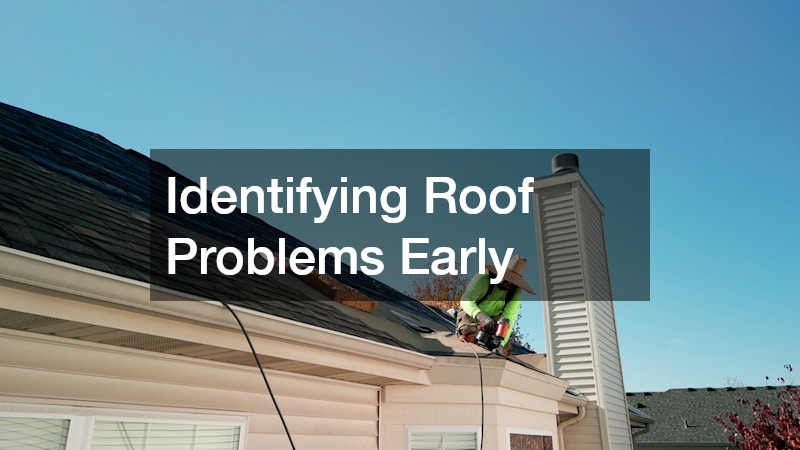
Your roof is one of the most critical components of your home. It protects your family and belongings from the elements, so recognizing problems early can save you time, money, and stress. Signs that professional attention is needed include:
- Missing, cracked, or curling shingles
- Water stains or leaks on ceilings and walls
- Sagging areas or unusual roof lines
- Granules in gutters or downspouts
- Moss or algae growth, indicating moisture issues
A professional can conduct a thorough inspection to determine the severity of the problem and recommend appropriate action. Early detection is crucial because small issues, if ignored, can escalate into major damage. Hiring local roofers ensures that repairs are done according to regional building standards and weather conditions.
In addition to inspections, homeowners should also document any visible changes or damage over time. Taking photos after storms or during seasonal changes can help track deterioration and provide evidence for insurance claims if needed. Small preventive measures, such as clearing debris and trimming overhanging branches, can reduce the risk of damage. Roof repairs performed by professionals also include evaluating underlying structures, like decking and flashing, ensuring that the entire system is secure. By combining visual checks, preventive care, and professional assessments, homeowners can significantly extend the lifespan of their roofs while avoiding costly surprises.
Knowing When a Full Replacement Is Needed
Sometimes repairs are no longer sufficient, and a full roof replacement is the most cost-effective solution. Recognizing when a new roof is necessary requires careful assessment:
- Age of the roof: most roofs last 20–25 years, depending on the materials
- Frequent leaks or repeated repairs
- Extensive damage from storms or severe weather
- Sagging roof lines or structural weaknesses
- Energy inefficiency due to inadequate insulation
Along with a new roof, it’s often a good idea to consider gutter installation. Proper gutters complement your roof by directing water away from your foundation, preventing erosion and water damage. Coordinating these upgrades with a professional ensures that both systems work together effectively.
Additionally, a full roof replacement is an opportunity to upgrade materials or design elements. For instance, using more durable shingles, adding reflective coatings, or improving attic ventilation can improve energy efficiency and home comfort. Professionals can also inspect chimneys, skylights, and roof penetrations to ensure proper sealing. Homeowners should request a detailed estimate and timeline from contractors to understand the scope and avoid surprises. By approaching roof replacement strategically and professionally, homeowners can achieve long-term protection, increased energy efficiency, and enhanced property value.
Detecting Foundation Issues Before They Escalate

Foundation problems are serious and can compromise the structural integrity of your home. Early detection is key to avoiding expensive repairs or even safety risks. Common signs include:
- Cracks in walls, floors, or ceilings
- Doors and windows that stick or fail to close properly
- Uneven or sloping floors
- Gaps between walls and ceilings, or floors
- Water intrusion in basements or crawl spaces
When these issues arise, contacting local foundation repair services is highly recommended. Professionals can assess the problem, determine the underlying cause, and implement solutions that are structurally sound. Timely foundation repair prevents further settling, structural damage, and potential hazards. Ignoring minor cracks may seem economical at first, but small issues can evolve into major expenses.
In addition to visual signs, homeowners should monitor soil movement and drainage around their property. Improper grading, clogged gutters, or excessive moisture can exacerbate foundation problems. Installing proper drainage systems and keeping water away from the foundation reduces the risk of severe damage. Professionals often use advanced diagnostic tools, such as laser levels or ground-penetrating sensors, to identify hidden weaknesses. By combining observation, preventive measures, and timely professional repair, homeowners can maintain a safe, stable home foundation for years to come.
Maintaining Efficient Heating and Cooling Systems
Heating and cooling systems are essential for comfort and energy efficiency. Neglecting issues can lead to higher utility bills, inconsistent temperatures, or complete system failure. Signs it’s time to call a professional include:
- Strange noises such as banging, grinding, or hissing
- Uneven heating or cooling in different rooms
- Foul odors from vents
- Unusual increases in energy bills
- Frequent cycling or short runs of the system
Air conditioning repair should be handled by trained technicians to ensure proper refrigerant handling, airflow, and electrical safety. Likewise, a heater repair service can address issues like faulty thermostats, clogged burners, or malfunctioning components, ensuring your home stays warm safely during winter.
Routine maintenance can prevent many common issues. Cleaning or replacing filters, inspecting ductwork, and checking refrigerant levels regularly keep systems running efficiently. Homeowners should also ensure vents and registers are unobstructed and that the system is properly sized for their home. Seasonal inspections by professionals can detect minor problems before they escalate, such as worn belts, failing motors, or leaks. Prioritizing professional care not only reduces energy costs but also increases system longevity and prevents inconvenient breakdowns during extreme weather.
Water Systems and Well Maintenance
Home water systems are vital for health, sanitation, and everyday convenience. Well pumps, in particular, require careful attention to avoid disruptions. Signs that professional intervention is necessary include:
- Declining water pressure
- Unusual noises from the pump or pipes
- Inconsistent water flow or intermittent service
- Discolored or contaminated water
- Excessive vibration or leaking from the pump system
Well pump repair services can diagnose problems such as electrical failures, mechanical wear, or blockages. Professional maintenance ensures your water supply remains reliable and safe. Preventive inspections, including checking pressure tanks and electrical connections, can prolong the life of the system and avoid costly replacements.
Homeowners should also be aware of potential contamination risks, including bacterial growth and chemical intrusion. Professionals can test water quality and recommend filtration or disinfection solutions if necessary. Regular servicing reduces downtime and maintains consistent water pressure throughout the home. DIY repairs may seem convenient, but improper handling can cause permanent damage to pumps, tanks, or pipes. By relying on expert care, homeowners ensure clean water and uninterrupted service year-round.
When to Call a Handyman for Minor Repairs
Not all repairs require specialists like roofers or HVAC technicians. Many minor home issues can be handled by skilled handymen. Common scenarios include:
- Adjusting door frames or cabinet hinges
- Minor drywall or plaster repairs
- Fixing leaky faucets or small plumbing issues
- Replacing broken tiles or fixtures
- Small electrical repairs or light installations
Handyman repair services provide a cost-effective solution for multiple minor problems without the need to hire separate specialists. They can handle smaller jobs efficiently, allowing homeowners to focus on more complex projects or system upgrades.
It’s important to differentiate between minor and major repairs. Handymen can address cosmetic or mechanical issues, but structural problems or major system repairs still require licensed specialists. By keeping a list of ongoing minor repairs and scheduling periodic handyman visits, homeowners can prevent small issues from escalating. Handyman services often offer flexible scheduling, professional tools, and expertise in multiple areas, making them a valuable resource for maintaining a well-functioning home.
Timing and Safety Considerations for Professional Repairs
Deciding when to call a professional is not always straightforward, but certain factors can guide homeowners. Safety should always be the top priority. Consider these points:
- Risk of Injury: Electrical work, high roof access, and heavy lifting are dangerous without proper training.
- Structural Damage: Problems with the roof, foundation, or walls can worsen if left unattended.
- Long-Term Cost: Delaying repairs can increase repair costs and reduce property value.
- Insurance Requirements: Some repairs may require licensed professionals for coverage eligibility.
- Expertise Needed: Complex systems, including HVAC, plumbing, and electrical, demand specialized knowledge.
Creating a checklist can help homeowners prioritize repairs:
- Identify visible signs of damage or inefficiency
- Evaluate whether DIY skills are sufficient
- Assess the urgency and potential risks
- Determine if professional tools or certifications are required
- Schedule inspections or repairs as necessary
Understanding timing and safety also includes planning for seasonal needs. For example, scheduling roof inspections before the rainy season or HVAC servicing before extreme temperatures ensures systems are ready when needed most. Professionals can advise on risk mitigation strategies and provide solutions that reduce long-term maintenance costs. Proper timing prevents emergencies, ensures safety, and protects property value.
Additional Tips for Preventing Major Home Repairs
Preventive maintenance can reduce the frequency and severity of home repairs. Homeowners should:
- Conduct seasonal inspections of roofs, gutters, and foundations
- Keep HVAC systems maintained through annual service
- Monitor water systems and well pumps for early signs of problems
- Address minor repairs promptly with handymen before they escalate
- Maintain proper insulation and ventilation to prevent structural or HVAC stress
Proactive care also includes regular cleaning, landscaping to prevent water pooling, and documenting issues for future reference. Professional consultations, even when no immediate problems are evident, can provide peace of mind and help plan for long-term upkeep. Preventive strategies reduce risks, save money, and maintain a safe and comfortable living environment.
Home repairs can range from minor inconveniences to major emergencies, and knowing when to call a professional is crucial for protecting your investment and ensuring safety. Paying attention to warning signs, understanding the risks of DIY work, and scheduling timely inspections can prevent costly mistakes. From roofs and foundations to heating, cooling, and water systems, professional intervention ensures repairs are done correctly, efficiently, and safely.
Being proactive with maintenance and professional assistance extends the life of home systems, prevents emergencies, and reduces stress. Keeping a record of repairs, conducting routine inspections, and engaging experts when needed allows homeowners to make informed decisions. Documenting past repairs, warranties, and service visits not only helps track trends in recurring issues but also makes communicating with contractors more effective. Having a clear record can be invaluable if problems recur or if you decide to sell your home, as it demonstrates diligent care and maintenance.
Additionally, professional inspections can provide guidance on improvements that may not yet be urgent but could prevent future complications. For example, upgrading insulation, servicing HVAC systems before seasonal changes, or addressing minor foundation concerns early can save thousands of dollars in the long run. Engaging professionals allows homeowners to benefit from expertise, advanced tools, and preventive solutions that are often inaccessible through DIY methods alone.
Ultimately, timely professional care maintains comfort, efficiency, and long-term property value, allowing families to enjoy their homes with confidence and peace of mind. By combining vigilance, preventive maintenance, and expert assistance, homeowners can avoid unnecessary stress, enhance safety, and ensure their home remains a secure, comfortable, and well-maintained sanctuary for years to come.