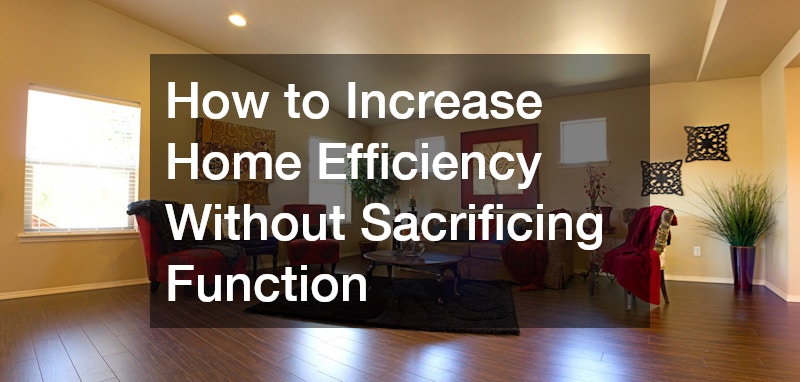

Improving a home’s efficiency often sounds like a trade-off. Many homeowners worry that cutting energy use or upgrading systems will limit comfort, reduce usability, or complicate daily routines. That concern is understandable, especially when upgrades are approached without a clear plan. The reality, though, is far more encouraging.
A well-designed home can reduce energy use while still supporting the way you live every day. It can feel more comfortable in every season, operate more smoothly, and require less ongoing effort to maintain. The difference comes down to thoughtful decisions—choices that align performance with real-life function.
Instead of focusing on isolated upgrades, it helps to view efficiency as part of a larger system. Every room, feature, and material plays a role. When improvements are made with intention, they work together to create a home that feels easier to live in while also lowering long-term costs.
Start With a Whole-Home Perspective

Before making any changes, it helps to step back and evaluate how the entire home functions. Efficiency is rarely solved with a single upgrade. It often requires a coordinated approach that considers layout, materials, airflow, insulation, and daily habits.
Many homeowners begin by consulting local remodeling contractors who can assess where energy loss or inefficiencies exist. These professionals often notice issues that are easy to miss, such as poor airflow between rooms, outdated insulation, or layouts that create unnecessary strain on heating and cooling systems.
A thorough evaluation typically includes:
- Reviewing utility bills over the past year to identify patterns
- Walking through each room to note temperature differences
- Identifying areas that feel drafty or uncomfortable
- Checking windows, doors, and attic spaces for leaks
- Evaluating how often certain spaces are used
This process helps prioritize upgrades that will have the greatest impact. It also prevents wasted time and money on changes that do little to improve overall performance.
A whole-home perspective ensures that every decision contributes to both efficiency and everyday convenience.
Upgrade the Kitchen for Better Performance
The kitchen is one of the hardest-working areas in any home. Appliances run daily, lighting is used for long periods, and water usage is consistent. Small inefficiencies in this space can add up quickly.
A complete kitchen remodeling project gives homeowners the chance to rethink how the space works. Instead of simply replacing cabinets or surfaces, the focus shifts to improving flow, reducing energy use, and making daily tasks easier.
Working with skilled countertop contractors also plays a role in long-term efficiency. Durable, low-maintenance surfaces reduce the need for repairs and support better hygiene, which matters in a high-use space like the kitchen.
Key upgrades that improve both function and efficiency include:
- Installing energy-efficient appliances that use less electricity and water
- Switching to LED lighting for consistent brightness with lower energy use
- Improving ventilation to remove heat and odors more effectively
- Adding smart storage solutions that reduce clutter and wasted movement
Layout matters just as much as equipment. A well-organized kitchen reduces unnecessary steps between cooking, cleaning, and storage areas. This not only saves time but also makes the space feel more intuitive.
When efficiency and usability are considered together, the kitchen becomes easier to manage while also reducing overall energy demands.
Improve Bathroom Efficiency Without Losing Comfort
Bathrooms are another area where efficiency upgrades can make a noticeable difference. Water use, lighting, and ventilation all contribute to energy consumption, yet comfort remains a top priority.
A thoughtful bath remodel focuses on improving performance without taking away from the experience. Modern fixtures allow homeowners to reduce water use while still maintaining strong pressure and reliable performance.
Working with a qualified bathroom contractor helps align design decisions with long-term usability. This ensures that upgrades are practical, not just visually appealing.
Effective improvements include:
- Low-flow faucets and showerheads that reduce water use without affecting comfort
- Improved ventilation systems to prevent moisture buildup and reduce energy strain
- Better lighting placement to eliminate dark spots while using less electricity
- Durable finishes that hold up well in humid environments
Adding frameless shower doors can also improve efficiency in subtle ways. By keeping heat contained within the shower area, they reduce the need for extended hot water use. They also make the space feel larger and easier to clean.
These upgrades show that efficiency does not have to come at the cost of comfort. With the right approach, bathrooms can feel more modern, functional, and cost-effective.
Make Better Use of Basement Space
Basements often represent untapped potential. Many are underused, poorly insulated, or treated as storage areas rather than functional living spaces. This creates both energy waste and missed opportunities.
A basement renovation project allows homeowners to transform this area into something useful while improving overall efficiency. Proper insulation, moisture control, and layout adjustments can turn a cold, unused space into a comfortable extension of the home.
Partnering with a trusted basement remodeling company helps address structural concerns and ensures that improvements are done correctly.
Important upgrades to consider:
- Adding insulation to stabilize indoor temperatures
- Sealing gaps to prevent drafts and moisture issues
- Installing efficient lighting to brighten the space
- Designing flexible layouts that support multiple uses
A finished basement can serve as a home office, guest room, or entertainment area. By making the space more functional, homeowners reduce the need to overuse other parts of the home, which helps balance energy use overall.
Focus on Materials That Last
Efficiency goes beyond energy savings. It also includes how long materials last and how often they need to be replaced. Durable materials reduce waste, lower maintenance costs, and support long-term performance.
Granite counter installation is one example of a choice that balances durability with visual appeal. It resists heat, scratches, and wear, making it a reliable option for high-use areas.
When selecting materials, it helps to think long-term. Consider:
- How well the material holds up under daily use
- Whether it requires frequent maintenance
- Its resistance to moisture, heat, and impact
- The cost of replacement over time
Choosing materials that last reduces the need for future renovations. This not only saves money but also minimizes disruption to daily life.
Improve Natural Light and Airflow
Natural light and airflow play a major role in how a home feels and functions. Poor lighting increases reliance on electricity, while limited airflow can make spaces uncomfortable.
One effective upgrade is sliding door installation, which increases access to natural light while improving ventilation. Larger openings allow sunlight to reach deeper into the home, reducing the need for artificial lighting during the day.
Other ways to improve light and airflow include:
- Using lighter window treatments to allow more sunlight in
- Positioning mirrors to reflect natural light
- Creating pathways for cross-ventilation
- Keeping furniture arrangements open to allow air movement
These changes make spaces feel more open and comfortable while reducing energy use. They also improve indoor air quality, which supports overall well-being.
Upgrade Insulation and Sealing
Insulation and air sealing are among the most effective ways to improve efficiency. Even small gaps can lead to significant energy loss over time.
Local remodeling contractors often identify areas where insulation is lacking or where air leaks are present. Addressing these issues can lead to immediate improvements in comfort and energy use.
Key steps include:
- Adding insulation to attics, walls, and basements
- Sealing gaps around windows and doors
- Replacing worn weather stripping
- Checking ductwork for leaks
These upgrades help maintain consistent indoor temperatures. As a result, heating and cooling systems do not have to work as hard, which reduces energy consumption and extends equipment lifespan.
Choose Smart Layout Adjustments
Efficiency is closely tied to how a space is organized. Poor layouts can create unnecessary movement, wasted time, and added strain on household systems.
A complete kitchen remodeling plan often includes layout changes that improve workflow. This might involve repositioning appliances or creating better access to storage areas.
Similarly, a bath remodel can improve how fixtures are arranged, making the space easier to use while reducing water waste.
Smart layout strategies include:
- Grouping related tasks within close proximity
- Creating clear pathways between frequently used areas
- Maximizing storage to reduce clutter
- Designing flexible spaces that can adapt over time
These changes may seem small, but they have a lasting impact on daily routines and overall efficiency.
Reduce Water Waste Throughout the Home

Water efficiency plays a major role in reducing overall utility costs. Even small changes can lead to noticeable savings over time.
Working with a bathroom contractor can help identify areas where water-saving upgrades are practical and effective.
Simple improvements include:
- Installing low-flow fixtures
- Fixing leaks as soon as they appear
- Upgrading older plumbing systems
- Using appliances designed for water efficiency
Reducing water waste does not require sacrificing performance. Modern fixtures are designed to deliver consistent results while using less water, making them a practical choice for any home.
Plan for Long-Term Flexibility
Homes should be able to adapt to changing needs. Whether it’s a growing family or a shift in lifestyle, spaces should remain functional over time.
A basement renovation project can be designed with flexibility in mind. Instead of creating a single-purpose room, homeowners can develop a space that serves multiple functions.
Working with a basement remodeling company helps create a plan that supports future changes without requiring major renovations.
Flexible design ideas include:
- Open layouts that allow for easy reconfiguration
- Multi-purpose furniture
- Neutral finishes that work with different styles
- Storage solutions that can be adjusted over time
Planning for flexibility reduces the need for future upgrades and helps maintain efficiency in the long run.
Balance Aesthetics With Performance
A home should look good while also performing well. There is no need to choose one over the other when both are considered during the planning stage.
Frameless shower doors offer a clean, modern look while helping retain heat within the shower area. This improves comfort while reducing energy use.
Granite counter installation provides a polished appearance along with long-term durability, making it a practical and attractive choice.
Ways to balance design and performance include:
- Choosing materials that are both durable and visually appealing
- Avoiding trends that require frequent updates
- Focusing on timeless design choices
- Prioritizing features that improve daily use
This approach creates a home that feels cohesive while supporting long-term efficiency.
Work With the Right Professionals
The success of any renovation depends on the people involved. Skilled professionals help turn ideas into practical solutions that work in real life.
Local remodeling contractors bring experience in identifying inefficiencies and recommending improvements that make sense for each home.
When selecting professionals, consider:
- Their experience with similar projects
- Their ability to communicate clearly
- Their approach to planning and timelines
- Their credentials and reputation
Choosing the right team helps avoid common mistakes and supports a smoother renovation process.
Keep Maintenance Simple and Consistent
Efficiency improvements are most effective when they are maintained over time. Regular upkeep helps systems perform as expected and prevents small issues from becoming larger problems.
Simple maintenance habits include:
- Cleaning filters and vents regularly
- Checking for leaks or drafts
- Inspecting appliances for signs of wear
- Scheduling routine service when needed
Consistency is key. Small efforts made regularly can protect larger investments and keep the home running efficiently.
Embracing Efficiency Without Sacrificing Comfort
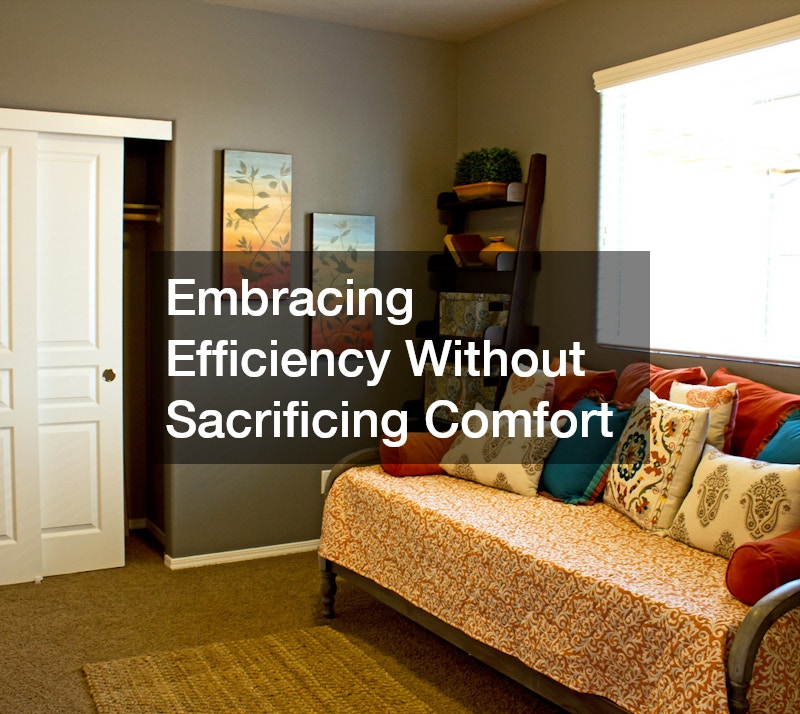
Creating a more efficient home does not require giving up comfort or convenience. In fact, with the right approach, it is possible to enhance energy performance while simultaneously making everyday life easier and more enjoyable. Thoughtful planning at the design stage can lead to better utilization of natural light and airflow, reducing the need for artificial lighting and heating.
Investing in durable, high-quality materials not only extends the lifespan of various elements in your home but can also lead to lower maintenance costs over time. For instance, energy-efficient appliances can drastically cut down on electricity usage while providing the same level of performance and convenience that you’re accustomed to.
Smart design choices, such as open floor plans or multipurpose spaces, can maximize functionality and reduce clutter, creating a more pleasant living environment. Additionally, incorporating smart home technology allows for real-time monitoring and control of energy consumption, further enhancing efficiency. Overall, these elements contribute to a home that works better in every way, blending sustainability with comfort to improve your quality of life.