
A home is a complex ecosystem of mechanical, structural, electrical, and plumbing networks working continuously behind the scenes. When these systems operate smoothly, it is easy to take their performance for granted. However, minor anomalies—a subtle clicking noise behind a wall, a faint musty smell near a baseboard, or a slight delay when a fixture drains—are rarely harmless coincidences. They are often the earliest warning signs of rapid structural deterioration, hidden mechanical failures, or immediate safety hazards.
Ignoring early warning indicators almost always turns manageable maintenance tasks into disruptive, exorbitant emergencies. A minor pinhole pipe leak can rot subflooring within days, while a flickering breaker can precede an electrical fire. Recognizing critical red flags early allows property owners to intervene before damage spreads, keeping repair costs manageable, preserving property equity, and, most importantly, ensuring the ongoing safety of everyone under their roof.
Phase 1: Sudden Plumbing & Wastewater Disruption
Plumbing networks operate under continuous hydraulic pressure, making them particularly susceptible to sudden, catastrophic failures. Wastewater issues, in particular, demand immediate attention due to the severe health risks associated with biohazardous contamination.
Identify Severe Drainage Slowdowns and Foul Wastewater Odors
A slow-draining sink or shower is a common inconvenience, but when multiple fixtures across different rooms back up simultaneously, the problem resides deep within your main drainage line.
- Concurrent Fixture Backups: If flushing an upstairs toilet causes water to surge upward into a ground-floor shower basin, your main sewer stack is severely obstructed. Water always seeks the lowest point of least resistance.
- Hydro-Jetting and Main Line Interventions: When plungers and hand snakes fail to restore flow, continuing to run water risks flooding living spaces with raw sewage. Licensed plumbers utilize specialized drain augers and sewer cameras to pinpoint main line blockages, clearing tree roots, paper build-ups, and collapsed piping before pressure ruptures your main stack.
- Clearing Accumulated Line Debris: Grease, mineral scale, and hair build up along pipe walls over time, narrowing internal diameters. Scheduling professional drain cleaning removes stubborn buildup, restoring full pipe volume and preventing sudden backup emergencies during high-use hours.
- Gurgling Sounds and Sewer Gas Smells: Hearing gurgling noises from lower drains when appliances discharge water indicates air is trapped behind a blockage. If accompanied by rotten-egg odors, sewer gas is breaking through dry trap seals.
- Wastewater Disposal Failures: For properties operating on private waste systems, sudden soggy patches, unexplained lush green grass over the absorption area, or sewage odors near the tank point to saturated leach fields or pump failures. Calling a certified septic repair service is vital to pump the tank, inspect baffles, and prevent hazardous effluent from backing up into your home’s lower level.
Phase 2: Unexplained Water Intrusion & Structural Dampness
Water is one of the most destructive forces a house can face. Once moisture penetrates wall cavities or subflooring, structural timber begins to soften, fasteners corrode, and toxic mold colonies begin to establish themselves within 24 to 48 hours.
Spot Hidden Wall Moisture and Sudden Structural Weakness
Water intrusion often hides behind finished surfaces long before visible pooling occurs on floorboards. Recognizing subtle signs of moisture migration allows you to act before structural framing is compromised.
- Wall Discoloration and Peeling Paint: Dark yellow or brown water rings on ceilings, bubbling paint along baseboards, or bowing drywall indicate active leaks behind finished walls. These symptoms often trace back to pinhole copper leaks, leaking shower pans, or roof flashing failures.
- Rapid Moisture Extraction and Mitigation: When hidden leaks saturate interior building materials, simple surface wiping is insufficient. Engaging a certified water damage repair service ensures industrial air movers, commercial dehumidifiers, and moisture meters are deployed to thoroughly dry hidden wall studs, subflooring, and insulation, preventing toxic black mold proliferation.
- Soft, Spongy Subfloors: Walking across bathroom or kitchen floors and feeling unexpected bounce or softness indicates that subflooring plywood has absorbed water, rotted, and lost its structural load-bearing capacity.
- Sagging Architectural Entryways: Exterior wooden structures, such as front entryways, staircases, and raised platforms, are constantly exposed to driving rain and ambient moisture. Rotted support posts, rusted joist hangers, and sagging floorboards compromise structural integrity.
- Restoring Load-Bearing Exterior Elements: When front support columns or decking beams soften from decay, catastrophic failure can occur without warning under heavy foot traffic or snow loads. Contracting skilled carpenters for structural porch repair stabilizes load-bearing posts, replaces rotted ledger boards, and installs proper flashing to keep primary entrance structures safe and level.
Phase 3: Critical Climate Control Failures & Air Quality Spikes

Heating and cooling systems do more than manage indoor comfort; they protect building infrastructure from extreme seasonal temperatures, control indoor humidity, and maintain safe breathing conditions for occupants.
Monitor Severe Temperature Drops, Odd Smells, and Rapid Dust Accumulation
HVAC equipment operates under continuous mechanical stress. When internal components wear out or electrical controls fail during extreme weather events, system performance degrades rapidly.
- Sudden Winter Furnace Lockouts: Hearing a furnace repeatedly click without igniting, smelling unburned fuel, or noticing a total drop in heat during freezing weather requires immediate attention. Allowing interior temperatures to fall below freezing exposes supply pipes to burst conditions.
- Furnace Component Restorations: Unresponsive heating units often suffer from failed igniters, cracked heat exchangers, or faulty zone valves. Contacting licensed HVAC technicians for emergency heating repairs restores safe combustion, prevents carbon monoxide accumulation, and protects interior plumbing from freezing.
- Blowing Warm Air During Summer Heatwaves: When an air conditioner runs continuously while blowing warm air, or when ice forms along refrigerant lines, the system is struggling with low refrigerant, a failed capacitor, or a frozen evaporator coil.
- Cooling System Overhauls: Operating a struggling cooling unit can burn out its compressor—the most expensive component in the system. Booking prompt AC repairs replaces failing capacitors, clears clogged condensate drain lines, and restores proper refrigerant levels before major mechanical failure occurs.
- Sudden Dust Spikes and Musty Odors: If rooms dust up rapidly within hours of cleaning, or if turning on your HVAC system releases a musty, stale odor throughout the house, your ductwork may be compromised, torn, or contaminated with mold spores.
- Interior Ductwork Decontamination: Dust, pet dander, construction debris, and moisture can turn supply ducts into breeding grounds for airborne allergens. Contracting professional duct cleaning companies use negative-pressure vacuum equipment and rotary brushes to strip contaminants from duct interiors, restoring clean indoor airflow.
Phase 4: Electrical Hazards & Fire Danger Signals
Electrical disruptions are among the most dangerous red flags a homeowner can encounter. Unlike plumbing leaks, which primarily cause material damage, electrical faults pose an immediate threat of structural fire and personal injury.
Recognize Burning Smells, Flickering Lights, and Warm Outlets
Your electrical panel and hidden branch wiring carry heavy currents every day. When connections loosen, wires corrode, or circuits overload, heat builds up rapidly within wall cavities.
- Warm Outlets and Discolored Switch Plates: Outlets or wall switches that feel warm to the touch, exhibit dark scorching around plug slots, or produce a slight burning plastic odor are actively arcing behind the wall plate.
- Frequent Breaker Tripping: A circuit breaker that trips repeatedly is doing its job by interrupting dangerous current overloads. Continuously resetting a tripping breaker without addressing the underlying draw can overheat branch wiring and melt wire insulation.
- Electrical Panel Upgrades and Wiring Service: Modern homes draw significantly more power than older panels were designed to handle. Scheduling a comprehensive electrical service visit allows a master electrician to replace weak breakers, resolve dangerous neutral feeds, rewire loose terminal connections, and upgrade outdated panels to accommodate high-demand appliances safely.
- Flickering Lights Across Multiple Circuits: If lights across entirely different rooms dim or flicker simultaneously when large appliances start up, the issue may stem from a loose main neutral line entering the main breaker panel.
- Buzzing Sounds Behind Walls: A faint buzzing or sizzling sound inside wall cavities indicates electrical arcing—current jumping across gaps between loose wire terminals. Arcing generates extreme heat capable of igniting surrounding wood studs and insulation.
Phase 5: Mechanical Door Failures & Vehicle Traps
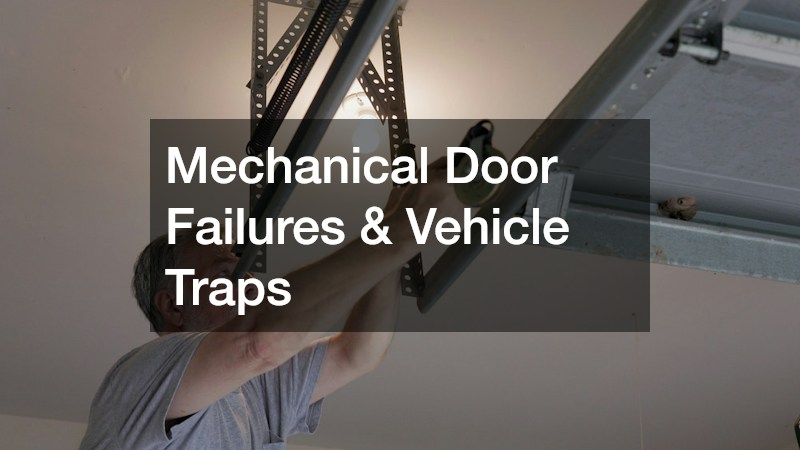
Overhead doors are typically the largest and heaviest moving mechanical objects in a home. Operated under immense spring tension, failing door mechanisms present both physical safety risks and property access emergencies.
Address Snapped Cables, Bent Tracks, and Trapped Vehicles
When an overhead door system fails, it can trap vehicles inside garages during emergencies, compromise home security, or pose an immediate crushing hazard to anyone nearby.
- Loud Bangs and Unmovable Doors: Hearing a loud bang from the garage followed by an overhead door that refuses to lift—even manually—usually points to a snapped torsion or extension spring.
- High-Tension Spring and Cable Repairs: Torsion springs are wound under extreme mechanical torque. Attempting to repair or replace snapped springs or frayed lift cables without specialized tools can result in severe personal injury. Hiring qualified technicians for overhead garage door repairs ensures high-tension springs are safely replaced, lift cables are properly re-spooled, and auto-reverse safety sensors are calibrated correctly.
- Crooked or Off-Track Doors: If a door rises unevenly, hangs at a severe angle, or jumps out of its vertical side tracks, running the automatic opener will bend the door panels and destroy the motor gear drive.
- Inoperative Wall Consoles and Openers: When an opener motor hums without moving the door, internal drive gears have stripped or the trolley carriage has disengaged, requiring mechanical replacement to restore automated property access.
Emergency Priority Assessment Guide
Use this quick-reference matrix to identify which household symptoms require immediate emergency intervention versus scheduled professional service.
Immediate Emergency (Action Required Within 1 to 4 Hours)
- Wastewater Backup: Raw sewage entering tubs, showers, or floor drains.
- Active Electrical Arcing: Burning smells, scorching, or buzzing sounds from outlets or switches.
- Total Heat Loss in Freezing Weather: Furnace failure during freezing temperatures.
- Major Structural Water Leak: Water pooling rapidly through ceilings or down interior walls.
- Gas Odors: Rotten-egg smells near appliances or main supply lines (evacuate immediately and contact your utility provider).
High Priority (Action Required Within 24 Hours)
- Complete Loss of Air Conditioning: Cooling failure during severe, high-humidity heatwaves.
- Broken Torsion Springs: Garage door immobilized with vehicles trapped inside.
- Single Fixture Drain Stoppage: Individual toilet or sink blocked with water rising near the rim.
- Soggy Yard Patches: Unexplained pooling water over private septic tank or leach field areas.
- Structural Sagging: Visible dipping along porch support beams or main floor joists.
Best Practices for Managing Home Repair Emergencies
When an urgent red flag appears, how you respond in the first thirty minutes can dramatically alter the outcome and final repair bill.
1. Know Your Main Utility Shut-Offs
Every adult in your household should know the exact locations of the primary water shut-off valve, the main electrical panel breaker, and the main gas shut-off valve. In the event of a bursting pipe or an arcing electrical circuit, shutting down the main line within seconds saves thousands of dollars in secondary structural damage.
2. Maintain a Trusted Trade Directory
Do not wait for a pipe to burst at midnight to begin searching for emergency service providers. Vetted, licensed, and insured trade professionals should be saved in your contacts before crisis strikes. Establish relationships with reliable local specialists across every major trade:
- Licensed Master Plumbers
- Licensed Master Electricians
- Certified HVAC Technicians
- Certified Water Damage Restoration Specialists
- Professional Structural Carpenters
- Experienced Overhead Door Technicians
3. Document Damage Before Cleanup Begins
If an emergency involves water damage, structural failure, or utility disruptions, take clear photos and videos of all affected areas, equipment, and personal belongings before cleanup starts. Detailed visual records streamline claims processing with your homeowner’s insurance provider.
Every home gives off subtle signals before a major system fails. An unusual gurgle in the plumbing, a faint burning smell near a switch, a sudden surge of dust, or a mechanical pop in the garage are clear invitations to take action before minor issues become major hazards.
Paying attention to these warning signs is not just about avoiding immediate inconvenience; it is a fundamental strategy for long-term property protection. Residential infrastructure systems—plumbing, electrical, HVAC, and structural load-bearing frames—are deeply interconnected. A delay in addressing a seemingly isolated symptom often triggers a domino effect across other parts of the home. For instance, ignoring a minor drainage backup can lead to hidden subfloor rot, which eventually weakens floor joists and ruins finished living spaces below.
By learning to recognize these early red flags and acting quickly to engage licensed, qualified professionals, you protect your property from preventable damage, keep repair costs manageable, and ensure your home remains a safe, secure sanctuary for years to come.