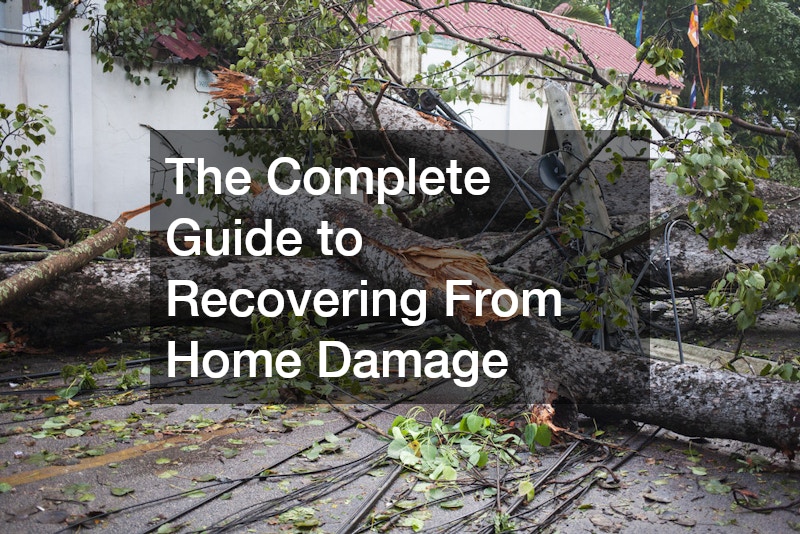

A Clear Path Forward After Property Damage
Home damage can turn a normal day into a stressful and confusing emergency. Whether the cause is a burst pipe, severe weather, smoke, structural movement, or another unexpected event, homeowners often have to make important decisions while dealing with uncertainty. The first few hours can affect the total repair cost, the time needed to return home, and the likelihood of additional problems developing later.
A successful recovery usually begins with a calm, organized approach. Safety should come first, followed by careful documentation, temporary protection, professional inspections, cleanup, and permanent repairs. Trying to handle every problem at once can lead to missed hazards, incomplete insurance records, or repairs performed in the wrong order.
Homeowners should also understand that visible damage may represent only part of the problem. Moisture can travel behind walls, heat can weaken structural materials, and wind can loosen exterior components without creating an obvious opening. This guide explains how to evaluate damage, protect the property, communicate with insurers, hire reliable professionals, and rebuild with long-term resilience in mind.
Prioritize Safety Before Entering a Damaged Property
Before walking through a damaged home, homeowners should determine whether entry is safe. A building may appear stable from the outside while hiding electrical hazards, contaminated water, weakened ceilings, broken glass, or compromised framing. If emergency officials, firefighters, or utility representatives have restricted access, homeowners should wait until the property has been cleared.
Utility risks deserve immediate attention. If water has reached electrical outlets, appliances, or the service panel, the power should not be turned on until a qualified electrician has inspected the system. The smell of gas, a hissing sound near a fuel line, or visible damage to a gas appliance requires immediate evacuation and contact with the utility provider. Homeowners should never attempt to locate a gas leak with a flame.
Personal protective equipment is also important. Heavy gloves, protective footwear, long sleeves, eye protection, and a properly fitted mask can reduce exposure to sharp materials, soot, insulation, dust, and biological contaminants. Children, older adults, pets, and anyone with respiratory conditions should remain outside until the environment has been professionally evaluated.
After flooding or major leaks, water damage restoration may involve more than removing visible moisture. Water can carry sewage, chemicals, bacteria, or debris, depending on its source. Professionals classify water by contamination level and use that information to determine what can be cleaned and what must be discarded.
After a fire, a fire damage restoration service may need to address structural instability, smoke residue, odors, and water used during firefighting. Burned materials can release harmful particles, while damaged floors and stairways may collapse under weight. Waiting for professional clearance protects both the occupants and the property.
Document Every Detail Before Cleanup Begins
Once it is safe to enter, homeowners should document the property before moving, cleaning, or discarding damaged items. Insurance companies often rely on photographs, videos, inventories, estimates, and receipts when evaluating a claim. The more complete the records are, the easier it is to explain what happened and support the requested repairs.
Homeowners should take wide-angle photographs of every affected room, followed by close-up images of individual materials and belongings. Videos can show the relationship between damaged areas and help capture details that still photographs may miss. It is also useful to photograph the source of the damage, such as a broken pipe, fallen tree, roof opening, or damaged appliance, when it is safe to do so.
A written inventory should include the name of each damaged item, its approximate age, original cost, replacement cost, condition before the incident, and any available proof of purchase. Credit card statements, online order histories, manuals, warranty documents, and older household photographs may help verify ownership.
Storm damage restoration claims can become complicated when wind, rain, hail, and falling debris affect several parts of a property at once. Homeowners should record damage to siding, windows, gutters, fencing, exterior equipment, landscaping, and detached structures rather than focusing only on the most obvious interior problem.
When the roof is involved, roofing insurance repair documentation should include missing materials, punctures, lifted edges, damaged flashing, attic moisture, and interior staining. Homeowners should avoid climbing onto a damaged roof. Ground-level photographs, attic images, and an inspection performed by a qualified professional can provide safer and more reliable evidence.
All communication with the insurer should be saved. Homeowners can keep a claim journal listing dates, names, phone calls, emails, inspection appointments, and instructions received. Receipts for temporary lodging, emergency supplies, protective coverings, cleanup equipment, and contractor visits should also be stored in one organized file.
Stop Additional Damage as Quickly as Possible
Insurance policies often require homeowners to take reasonable steps to prevent further loss. This does not mean beginning permanent reconstruction immediately. Instead, it means completing safe temporary actions that reduce the chance of moisture, weather, theft, or structural movement making the situation worse.
If a pipe has burst, the water supply should be shut off. If a window is broken, the opening may need to be boarded or securely covered. A damaged section of roof may require a properly installed tarp. Wet furniture can be moved away from walls, and undamaged belongings can be relocated to a dry part of the home.
Professional water restoration services may use pumps, extraction equipment, air movers, dehumidifiers, moisture meters, and thermal imaging tools. Household fans alone may not be enough, particularly when water has entered wall cavities, subfloors, insulation, or built-in cabinets. Drying should be measured rather than judged only by touch.
Wet building materials should not remain sealed inside the structure. Moisture trapped behind drywall, under flooring, or around framing can create long-term problems even after the surface appears dry. Depending on the materials involved, sections may need to be removed to allow airflow and inspection.
Mold remediation may be necessary when fungal growth is visible, odors persist, or moisture has remained for an extended period. Simply painting over staining or spraying household cleaner does not address hidden colonies or contaminated porous materials. Proper containment, air filtration, controlled removal, and moisture correction help prevent spores from spreading to unaffected areas.
Homeowners should also be cautious about over-removal. Tearing out large sections of the home before an insurance inspection may make it harder to prove the extent and cause of the loss. Emergency work should focus on safety and stabilization, with detailed photographs taken before and during the process.
Complete Structural Repairs Before Cosmetic Work
Repairs should be performed in a logical order. Structural stability, weather protection, utility systems, and moisture control should be addressed before painting, flooring, trim, or decorative finishes. Cosmetic improvements installed too early may have to be removed if deeper problems are discovered later.
A professional assessment can identify cracked framing, damaged joists, weakened sheathing, shifted walls, and other concerns that may not be obvious to the homeowner. Engineers or specialty contractors may be needed when the damage affects load-bearing elements, major supports, or the building envelope.
Foundation repair should be evaluated early when there are new cracks, uneven floors, sticking doors, wall separation, or visible settlement. Flooding, soil movement, erosion, and prolonged saturation can change the conditions around a home. Repairing finishes before stabilizing the structure may lead to recurring cracks and continued movement.
Once the structure is secure, carpentry work may include replacing damaged studs, floor joists, subflooring, wall sheathing, doors, cabinetry, stairs, and trim. Materials should be dry and properly treated before they are enclosed. New wood installed next to damp materials may absorb moisture and create another cycle of damage.
Electrical, plumbing, and heating systems should also be inspected before walls are closed. Wiring exposed to water or heat may require replacement, even if it still appears to function. Plumbing lines may have hidden cracks, and heating equipment exposed to contamination may be unsafe to operate.
Homeowners should request a written repair sequence from the contractor. A clear schedule helps prevent trades from interfering with one another and makes it easier to identify delays. It also allows the homeowner to understand which inspections and approvals must occur before the next phase begins.
Organize Debris Removal and Cleanup Carefully
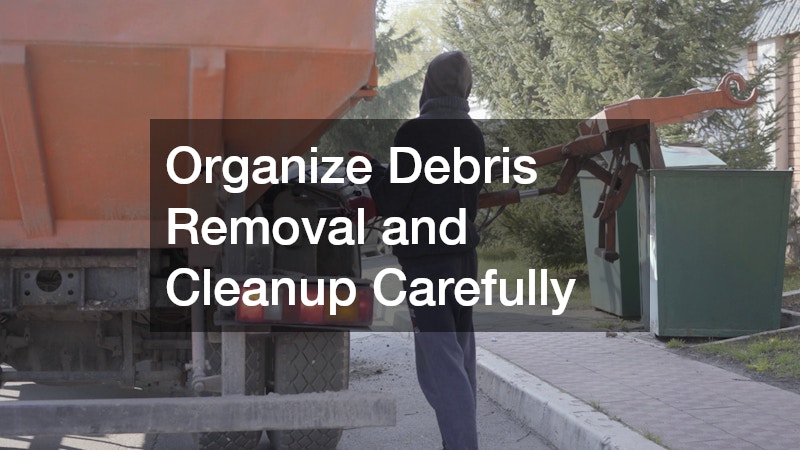
Cleanup can generate a large amount of material in a short time. Damaged drywall, flooring, insulation, furniture, roofing, packaging, and personal belongings can quickly fill a garage, driveway, or yard. An organized removal plan improves safety and keeps the repair site accessible.
Items should be separated into categories when possible. Salvageable belongings can be moved to a clean, dry location. Materials needed for insurance documentation should be photographed and, when practical, retained until the adjuster has reviewed them. Hazardous materials should be kept apart from general construction debris.
A dumpster rental can make removal more efficient, but homeowners should choose the correct container size and understand which materials are prohibited. Paint, chemicals, batteries, refrigerants, asbestos-containing products, fuel containers, and certain electronics may require specialized disposal. Local rules can vary, so the rental provider or municipality should be consulted before loading the container.
Placement matters as well. A heavy container can damage pavement, block emergency access, or interfere with contractors. Homeowners should confirm driveway capacity, clearance requirements, permit rules, and pickup access. Protective boards may help reduce surface damage.
Dust control is another important part of cleanup. Plastic barriers, negative air pressure, sealed vents, and air filtration can limit the movement of fine particles. Work areas should be separated from occupied parts of the home, especially when children, pets, or people with health conditions remain on the property.
At the end of each workday, contractors should remove sharp objects, secure tools, and keep walking paths clear. A cleaner site reduces injuries and helps homeowners monitor progress. It also makes it easier to identify new leaks, odors, or structural changes during the project.
Select Contractors Who Can Deliver Lasting Repairs
Hiring the right contractor is one of the most important decisions in the recovery process. Homeowners may feel pressure to act quickly, especially after a widespread storm or disaster, but rushing into an agreement can lead to poor workmanship, unclear pricing, or unfinished repairs.
Contractors should provide proof of licensing where required, general liability insurance, and workers’ compensation coverage. Homeowners should verify the information independently rather than relying only on a printed document. References, recent project examples, online complaint records, and professional certifications can also provide useful context.
A written estimate should clearly describe the work, materials, labor, permits, cleanup responsibilities, payment schedule, expected start date, and estimated completion time. Vague allowances and broad descriptions can create disagreements later. Any change to the project should be documented through a written change order.
When exterior damage is involved, a roofing contractor should inspect the full system rather than replacing only the most visible materials. Decking, underlayment, flashing, vents, fasteners, gutters, and drainage paths all affect performance. A repair that ignores surrounding components may allow leaks to continue.
Homeowners should avoid contractors who demand full payment upfront, offer to manipulate an insurance claim, pressure them to sign immediately, or refuse to provide a physical business address. Large disasters often attract unqualified or temporary operators who leave the area before warranty issues appear.
Communication should continue throughout the project. Regular updates, progress photographs, inspection records, and scheduled walkthroughs help homeowners confirm that the work matches the agreement. Final payment should not be made until the work has been reviewed, required inspections are complete, and outstanding issues are documented.
Rebuilding With Confidence and Long-Term Protection

Recovering from home damage takes patience, organization, and careful decision-making. The process is easier to manage when homeowners focus first on safety, then document the loss, prevent further damage, and complete repairs in the correct order. Each step supports the next and reduces the chance of hidden problems being overlooked.
Clear records and consistent communication can also make insurance claims and contractor relationships more manageable. Homeowners should ask questions, request written explanations, and avoid approving work they do not understand. Qualified professionals can provide valuable guidance, but the homeowner should remain informed throughout the project.
The goal is not only to restore the property’s appearance. A complete recovery should create a safe, dry, structurally sound home that is better prepared for future challenges. By combining immediate action with thoughtful planning, homeowners can move beyond the disruption and rebuild with greater confidence.