

Unexpected damage can disrupt daily life, strain finances, and compromise the safety of a home. Severe storms, plumbing failures, fires, and mold growth are among the most common issues homeowners face. While some problems occur without warning, many can be prevented—or at least minimized—through proactive maintenance and timely repairs.
A comprehensive disaster preparedness strategy focuses on both prevention and response. This means monitoring vulnerable areas of the home, scheduling regular inspections, and knowing when to call professionals for specialized repairs. By taking a strategic approach to maintenance, homeowners can reduce long-term costs, protect property value, and maintain a safer living environment.
Home disaster preparedness is often viewed as something homeowners only think about after experiencing damage. However, adopting preventative habits early can dramatically reduce the severity of future problems. Small actions—such as clearing drainage systems, replacing worn seals around windows, or monitoring humidity levels—can prevent minor issues from escalating into major repairs.
In addition to routine upkeep, homeowners benefit from understanding the early warning signs of potential issues. Water stains on ceilings, persistent musty odors, slow drainage, or unusually high utility bills can all indicate underlying problems that require attention. Addressing these indicators quickly helps prevent damage from spreading and reduces the likelihood of more extensive repairs later.
Modern homes are complex systems made up of interconnected components, including structural framing, plumbing networks, electrical wiring, and ventilation systems. When one component fails, it can affect multiple areas of the home. For example, a minor roof leak may eventually damage insulation, drywall, flooring, and even electrical wiring. Understanding how these systems interact helps homeowners recognize why preventative maintenance is so important.
This interconnected nature also highlights the value of regular inspections by qualified professionals. Roofing contractors, plumbers, electricians, and restoration specialists can identify risks that may not be visible during routine homeowner checks. Their expertise allows potential problems to be addressed before they evolve into costly emergencies.
The following strategies highlight practical ways to prevent damage and respond effectively when problems arise. From structural maintenance to fire and water protection, each area of the home plays a role in overall resilience. By maintaining these critical systems and acting quickly when issues appear, homeowners can create a more durable and disaster-resistant living environment.
Protecting Your Home’s Structural Integrity
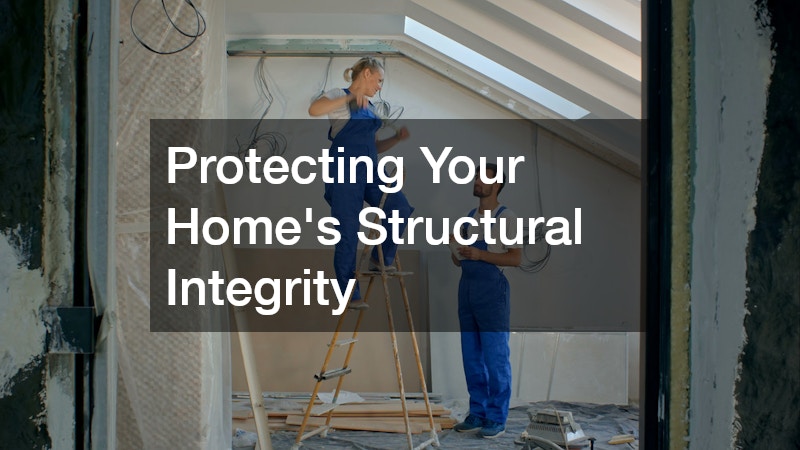
The roof is one of the most critical barriers between a home and the elements. Over time, weather exposure, temperature changes, and debris can weaken roofing materials, making the structure vulnerable to leaks and storm damage. Regular inspections help identify small issues—such as cracked shingles or loose flashing—before they escalate into costly repairs.
Seasonal weather patterns can place significant stress on roofing materials. In regions that experience heavy rain, high winds, or fluctuating temperatures, roofing systems expand and contract repeatedly. This natural movement gradually loosens fasteners, weakens sealants, and creates opportunities for water infiltration. Without regular inspections, these vulnerabilities may go unnoticed until visible interior damage appears.
Professional assessments from local roofers provide homeowners with insight into the condition of their roof and the specific risks associated with regional weather patterns. These specialists can detect early warning signs such as hidden moisture intrusion, structural sagging, or deteriorating underlayment. Addressing these problems early can significantly extend the lifespan of a roof while preventing interior water damage.
In addition to professional inspections, homeowners can perform simple visual checks throughout the year. After severe storms, it is wise to examine the roofline for missing shingles, fallen branches, or debris buildup. Inside the home, signs such as ceiling stains, peeling paint, or unexplained humidity may indicate a hidden leak that requires attention.
Routine maintenance also plays a vital role in protecting a home’s exterior. High-quality roofing services typically include debris removal, gutter maintenance, and sealing vulnerable areas around vents and chimneys. These preventative measures reduce the likelihood of water infiltration during heavy rain or severe storms. Consistent upkeep ensures the roof continues performing its primary function—shielding the home from environmental damage.
Gutter systems deserve special attention because they are responsible for directing rainwater away from the structure. When gutters become clogged with leaves, dirt, or nesting debris, water can overflow and collect around the foundation. Over time, this moisture can weaken the foundation, damage siding, and cause basement flooding. Cleaning gutters at least twice a year significantly reduces these risks.
When extensive repairs or replacements are necessary, working with a reputable residential roofing company ensures the project is handled with the proper materials and construction standards. Experienced contractors understand ventilation requirements, insulation needs, and structural reinforcement techniques that improve overall durability. Choosing skilled professionals not only protects the home today but also helps prevent future structural issues.
Managing Waste and Drainage Systems
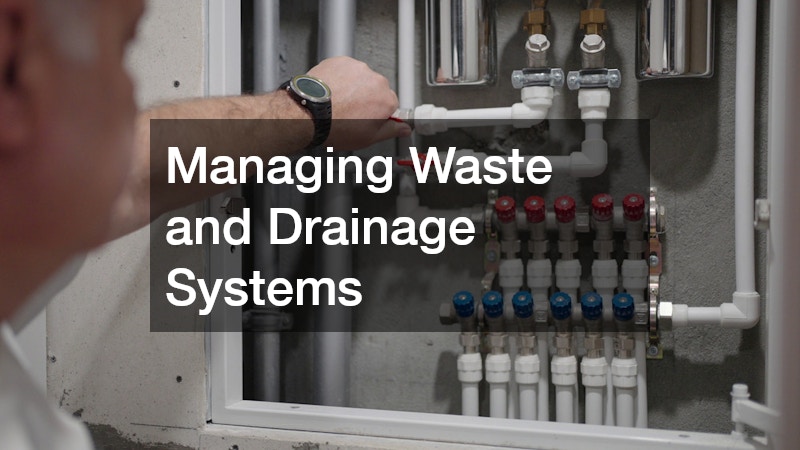
Plumbing infrastructure is another area where preventative maintenance can make a significant difference. Waste systems are often out of sight, which means many homeowners overlook early signs of trouble until a serious backup or overflow occurs. Routine inspections help ensure wastewater flows efficiently and safely away from the property.
Slow drains, recurring clogs, and unpleasant odors are often early indicators that a plumbing system requires attention. While these symptoms may appear minor at first, they can signal larger problems developing deeper within the pipes. Addressing these issues early prevents pressure buildup and reduces the likelihood of pipe bursts or sewage backups.
Professional septic services play an essential role for homes that rely on private septic systems. Regular pumping, inspection of tank components, and monitoring of drain fields prevent buildup that could cause system failure. When properly maintained, septic systems can function reliably for decades, but neglect can lead to expensive repairs and environmental hazards.
Homeowners with septic systems should also be mindful of what enters the plumbing system. Non-biodegradable materials such as wipes, grease, and chemical cleaners can disrupt bacterial processes inside the tank. Over time, these substances accumulate and reduce the system’s ability to break down waste effectively.
Urban homes connected to municipal systems face different challenges, particularly when aging pipes accumulate grease, debris, or mineral deposits. A professional sewer cleaning service can remove these blockages before they cause backups inside the home. Preventative cleaning improves flow capacity, reduces odors, and helps avoid sudden plumbing emergencies that may damage floors, walls, or foundations.
Tree roots are another common threat to underground sewer lines. As trees grow, their roots naturally seek out moisture sources and can infiltrate small cracks in pipes. Once inside, the roots expand and obstruct the flow of wastewater. Regular inspections using specialized camera equipment allow plumbers to detect root intrusion before it causes major damage.
Proper drainage around the property is equally important. Gutters, downspouts, and grading should direct water away from the home to prevent flooding and soil erosion. When drainage and plumbing systems function together effectively, they form a strong defense against both structural damage and sanitation risks.
Landscaping also plays a role in water management. Installing permeable surfaces, maintaining proper soil grading, and strategically placing drainage channels can help control runoff during heavy rainfall. These adjustments improve the property’s ability to manage excess water and protect nearby structures.
Reducing Fire Risks in the Home
Many residential fires originate in kitchens, where cooking oils, grease buildup, and high temperatures create a hazardous combination. One of the most overlooked preventative measures is regular kitchen exhaust cleaning, which removes grease deposits from ventilation systems. Over time, accumulated grease can ignite and spread flames quickly through ductwork, turning a small kitchen incident into a major structural fire. Maintaining clean ventilation significantly lowers this risk while improving indoor air quality.
Kitchen safety also involves proper appliance maintenance. Faulty wiring, damaged heating elements, or malfunctioning thermostats can create dangerous conditions during cooking. Periodically inspecting appliances and replacing worn components helps reduce the risk of electrical fires.
Electrical systems throughout the home can also contribute to fire hazards. Outdated wiring, overloaded circuits, and damaged outlets increase the likelihood of sparks or overheating. Homes built several decades ago may not have been designed to support the energy demands of modern electronics and appliances. Upgrading electrical panels and replacing outdated wiring improves safety while supporting increased energy use.
Smoke detectors and fire alarms provide an essential early warning system in the event of a fire. Installing detectors in hallways, bedrooms, and living areas ensures occupants receive immediate alerts when smoke is present. Testing alarms monthly and replacing batteries regularly helps maintain reliable operation.
Once a fire occurs, the focus shifts from prevention to containment and recovery. Structural features such as fire resistant doors can slow the spread of flames and smoke, helping protect escape routes and limit damage to other areas of the home. These specialized doors are designed to withstand extreme temperatures for a specified period, providing valuable time for occupants to evacuate safely.
After a fire, restoration professionals evaluate structural stability, remove soot and smoke residues, and repair damaged materials. Prompt restoration is essential to prevent secondary issues such as corrosion, lingering odors, or contamination from firefighting chemicals. Soot particles can embed themselves into porous materials, including insulation, carpeting, and upholstery, making thorough cleaning necessary for complete recovery.
Homeowners can further enhance fire safety by creating an emergency evacuation plan. Identifying multiple exit routes, practicing evacuation procedures, and establishing a designated meeting point ensures family members can respond quickly in an emergency.
Addressing Moisture and Mold Problems
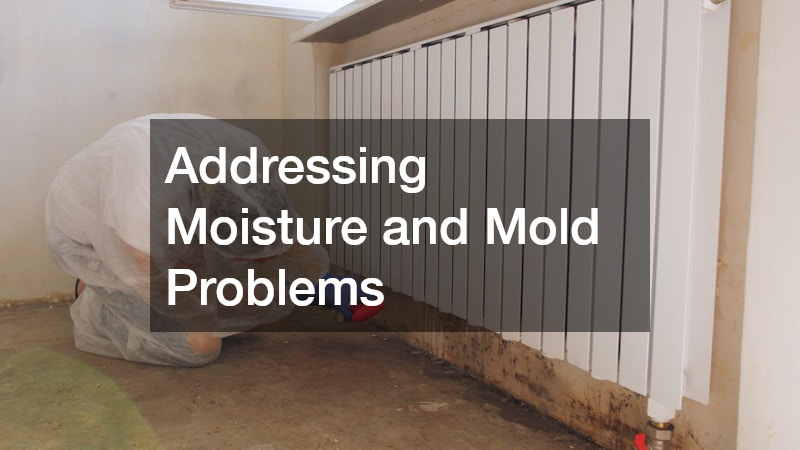
Water intrusion is one of the most common sources of property damage. Burst pipes, roof leaks, appliance malfunctions, and flooding can all introduce moisture into areas of the home where it should not be present. When water is not removed quickly, it can weaken building materials, damage electrical systems, and create conditions that promote mold growth.
Many water damage incidents occur gradually rather than suddenly. Slow leaks from pipes or appliances can go unnoticed for weeks or months, allowing moisture to accumulate behind walls or beneath flooring. Over time, these hidden leaks compromise structural materials and increase the likelihood of mold development.
Professional water damage remediation focuses on eliminating moisture at its source and restoring affected areas. Technicians use specialized equipment to detect hidden water pockets within walls, floors, and insulation. Rapid drying and dehumidification prevent structural deterioration while minimizing the risk of microbial growth.
Advanced moisture detection tools—including infrared cameras and moisture meters—allow restoration professionals to locate water that may not be visible to the naked eye. Identifying these hidden areas is essential because even small pockets of trapped moisture can lead to long-term damage if left untreated.
When damage is extensive, homeowners often rely on comprehensive water restoration services to rebuild affected spaces. These services may include removing damaged drywall, repairing flooring, restoring cabinetry, and sanitizing surfaces exposed to contaminated water. A well-executed restoration process not only repairs visible damage but also ensures that hidden moisture does not cause problems later.
In some cases, floodwater may carry contaminants such as bacteria, chemicals, or debris. Specialized sanitation procedures are required to ensure the home is safe for occupancy after restoration. Professional teams follow strict protocols to clean and disinfect affected areas before reconstruction begins.
One of the most serious consequences of prolonged water exposure is mold development, particularly toxic varieties such as black mold. In these cases, hiring a qualified black mold removal company is essential. Specialists use containment systems, air filtration equipment, and safe removal techniques to eliminate contaminated materials without spreading spores throughout the home. Addressing mold quickly protects both the structural integrity of the property and the health of the occupants.
Maintaining proper indoor humidity levels is another key factor in preventing mold growth. Using dehumidifiers, improving ventilation, and addressing condensation issues around windows or HVAC systems can significantly reduce the likelihood of mold development.
Protecting a home from disasters requires a balanced approach that combines preventative maintenance, early detection, and professional repair services. Structural components, plumbing systems, fire safety measures, and moisture control all work together to safeguard the property and the people living inside it. By monitoring potential problem areas and addressing small issues before they escalate, homeowners can significantly reduce the risk of costly damage. Investing in regular inspections and professional maintenance not only preserves the home’s structural integrity but also creates a safer, more resilient living environment for years to come.
In addition to protecting the structure itself, consistent upkeep helps homeowners maintain property value and avoid unexpected disruptions to daily life. Preventative care often costs far less than emergency repairs and allows issues to be addressed under controlled conditions rather than during a crisis. Establishing a routine maintenance schedule—along with knowing when to bring in experienced professionals—ensures that small warning signs are addressed quickly. With the right combination of vigilance, planning, and expert support, homeowners can minimize risks and feel confident that their property is prepared to withstand a wide range of potential hazards.