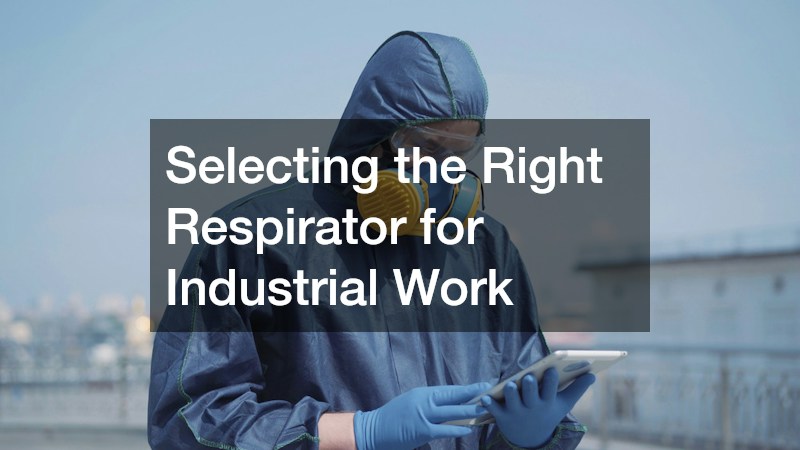

Industrial work environments often present invisible dangers. From construction sites shrouded in silica dust to chemical manufacturing plants emitting volatile organic compounds, the air workers breathe can be their greatest occupational hazard. To safeguard employee health, safety managers and workers must prioritize proper inhalation protection. The process of choosing the appropriate equipment is a critical step in mitigating long-term health risks and ensuring compliance with strict safety regulations. It requires a deep understanding of the specific workplace environment, the nature of the airborne contaminants, and the physical demands placed upon the workforce.
Ignorance in this area can lead to severe, irreversible health conditions, including chronic obstructive pulmonary disease and occupational cancers. Establishing a comprehensive lung safety program is not just a regulatory obligation but a moral imperative.
Before selecting protective gear, a comprehensive hazard assessment is essential. Industrial contaminants generally fall into two broad categories: particulates and chemical agents. Particulates include dusts, mists, fumes, and fibers generated by mechanical processes such as grinding, sawing, or welding. Chemical agents encompass gases and vapors produced by solvents, paints, and complex industrial reactions. Furthermore, some environments pose an immediate threat to life and health due to a severe lack of oxygen, often found in confined spaces like vats or underground vaults. Knowing the exact concentration, toxicity, and chemical makeup of the ambient air dictates whether a simple filtering mask will suffice or if a more complex atmosphere-supplying system is mandated. Environmental monitoring using specialized sensors provides the quantitative data necessary to make informed, life-saving decisions.
Once the hazards are clearly quantified, safety professionals can evaluate the available options. The primary division in this category of personal protective equipment lies between air-purifying devices and atmosphere-supplying devices. Air-purifying devices utilize filters, cartridges, or canisters to remove specific contaminants from the ambient air before it is inhaled. These range from disposable filtering facepieces to reusable elastomeric half-mask or full-facepiece designs. Full-facepiece versions offer the added benefit of ocular protection against chemical splashes. Powered air-purifying systems use a battery-operated blower to pull air through the filters, offering a cooling effect and reducing the breathing burden on the wearer during strenuous shifts. Conversely, atmosphere-supplying devices deliver clean, breathable air from an uncontaminated source. These are strictly required in oxygen-deficient environments. Examples include supplied-air systems and self-contained breathing apparatuses.
Choosing the correct respiratory-protection-products’>respirator hinges on a mathematical metric known as the Assigned Protection Factor. This metric represents the workplace level of airborne protection that a specific class of device is expected to provide to properly fitted and trained users. For example, a standard disposable half-mask might have an Assigned Protection Factor of ten, meaning it can safely be used in environments where the contaminant concentration is up to ten times the permissible exposure limit. A full-facepiece system might carry a factor of fifty. By dividing the measured concentration of the airborne hazard by the established permissible exposure limit, safety engineers calculate the hazard ratio. The selected protective device must possess a factor equal to or greater than this calculated ratio to guarantee adequate defense against threats.
Even the most sophisticated piece of equipment is rendered completely ineffective if it does not seal correctly to the user’s face. Fit testing is a rigorous protocol that ensures the chosen model and size provide a secure, airtight seal. This process must be conducted annually or whenever the worker undergoes a physical change that could affect facial structure, such as significant weight fluctuation. Notably, tight-fitting masks cannot be worn by individuals with facial hair that interferes with the sealing surface. Furthermore, physiological readiness is a prerequisite. Breathing through a restrictive filter places additional strain on the cardiovascular and pulmonary systems. Therefore, medical clearance from a healthcare professional must be obtained before a worker is permitted to use heavy-duty breathing equipment in any strenuous industrial capacity.
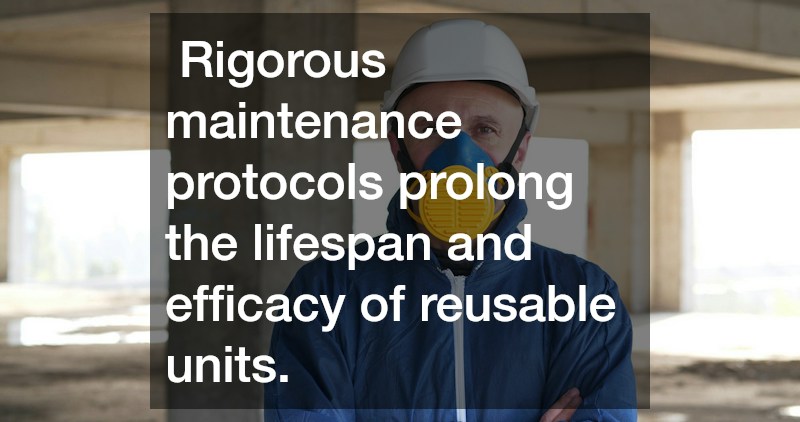
Rigorous maintenance protocols prolong the lifespan and efficacy of reusable units. Workers must be trained to meticulously inspect their gear before each use, checking for cracked inhalation valves, degraded silicone straps, and expired filters. Proper cleaning using manufacturer-approved solutions prevents harmful bacterial buildup and dermal irritation. Storing the equipment in sealed plastic bags away from direct sunlight, extreme temperature fluctuations, and chemical exposure ensures the materials remain in pristine condition for the subsequent shift. Failing to properly maintain these pieces of safety gear can lead to catastrophic seal failure.
Navigating the complexities of industrial airborne safety requires extreme diligence, scientific measurement, and ongoing training. By thoroughly assessing invisible environmental hazards, understanding specific equipment capabilities, and enforcing strict fit-testing protocols, organizations can ensure their personnel are properly shielded from harm. Ultimately, investing time and financial resources into procuring the optimal respirator is an investment in the long-term health, vitality, and productivity of the industrial workforce. Doing so prevents debilitating occupational illnesses, ensures regulatory compliance, and fosters an uncompromising corporate culture of safety and well-being.