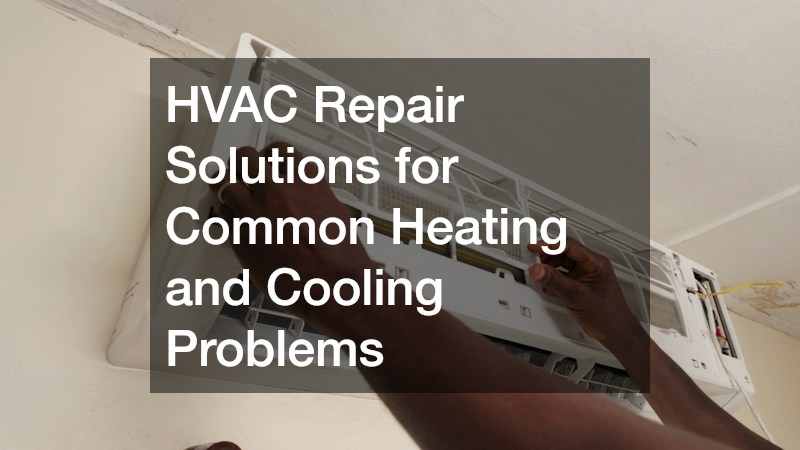

A comfortable home depends on a heating and cooling system that works reliably throughout the year. When indoor temperatures become inconsistent, airflow weakens, or unusual noises develop, these changes can indicate that something needs attention. Addressing problems early can help restore comfort, limit additional equipment damage, and reduce disruptions to everyday routines.
Understanding common heating and cooling issues can help homeowners recognize when professional service is necessary. Some problems stem from clogged filters or incorrect thermostat settings, while others involve electrical components, refrigerant levels, or mechanical failures.
Knowing the difference can make it easier to explain symptoms to a technician and determine the appropriate next steps. With timely attention and routine maintenance, homeowners can support dependable system operation through changing weather conditions.
Address Uneven Temperatures Throughout the Home
Uneven temperatures are a common source of discomfort in homes with central heating and cooling. One bedroom might feel noticeably warmer than the living room, or certain areas might remain cold even when the furnace is running. These differences can result from restricted airflow, ductwork problems, inadequate insulation, or an improperly balanced system.
Start by checking whether furniture, curtains, or other objects block supply vents and return grilles. Keep these openings clear so conditioned air can circulate throughout the home. If the thermostat has separate schedules or settings, verify that they match your household’s preferences.
Persistent temperature differences require a closer assessment. A technician can inspect the ductwork for leaks, disconnected sections, and obstructions that interfere with air distribution. They can also evaluate whether the system is appropriately sized for the home and whether adjustments to airflow would improve comfort.
In some cases, insulation improvements or air sealing can help rooms maintain more consistent temperatures. Addressing the underlying cause is more effective than continually adjusting the thermostat to compensate for one uncomfortable area.
Resolve Thermostat and Temperature Control Problems
A thermostat tells the heating and cooling system when to operate. If its settings are incorrect or the device isn’t functioning properly, the home might become too warm, too cold, or uncomfortable at certain times of day.
Check that the thermostat is set to the correct mode, such as heating or cooling, and confirm that the target temperature matches your needs. Programmable models can have schedules that change automatically, so review those settings if the system starts operating at unexpected times. For battery-powered thermostats, replace weak batteries according to the manufacturer’s instructions.
Thermostat placement can also affect temperature readings. Devices located near sunny windows, heat-producing appliances, or drafty entrances might register conditions that don’t represent the rest of the home. A qualified technician can determine whether relocation or recalibration would help.
If the thermostat display is blank, the system doesn’t respond to adjustments, or temperatures remain inconsistent despite correct settings, professional service might be necessary. A technician can inspect the thermostat’s wiring, power supply, and communication with the heating or cooling equipment.
Investigate Unusual Noises and Odors
Heating and cooling systems naturally produce some operating sounds, but sudden changes deserve attention. Banging, grinding, squealing, or persistent rattling can indicate loose components, worn bearings, motor problems, or other mechanical concerns.
A light rattle might come from a loose vent cover, while grinding or loud banging from the equipment can signal a more serious issue. Turn the system off if you hear severe or sudden mechanical noises, and arrange for a professional inspection rather than continuing to operate equipment that might be damaged.
Unusual odors also require careful consideration. A brief dusty smell when heating starts after a period of inactivity can occur as dust burns off heating components. However, persistent burning or electrical odors shouldn’t be ignored.
If you smell gas, leave the building without operating electrical switches or using open flames, and contact your gas utility or emergency services from a safe location. For other persistent odors, a technician can investigate potential electrical, mechanical, or drainage problems. Prompt assessment helps distinguish minor concerns from conditions that require immediate attention.
Know When to Schedule Professional Service
Recognizing when to call a technician can help prevent minor concerns from developing into larger equipment problems. Schedule an inspection when heating or cooling becomes unreliable, utility bills rise unexpectedly without a clear explanation, airflow declines, or the system cycles on and off more frequently than usual.
Professional HVAC repair can involve inspecting electrical connections, testing controls, evaluating refrigerant performance, cleaning internal components, and replacing worn parts. The appropriate service depends on the symptoms, equipment type, and findings from the inspection.
Homeowners can support system reliability by replacing filters as recommended, keeping outdoor units clear of leaves and debris, maintaining unobstructed vents, and scheduling routine inspections. Keep notes about unusual sounds, operating patterns, and temperature changes to help technicians diagnose problems more efficiently.
Heating and cooling problems can affect comfort, energy use, and the reliability of essential home equipment. Uneven temperatures, weak airflow, thermostat issues, unusual noises, and drainage concerns all provide clues about a system’s condition. Recognizing these warning signs helps homeowners respond appropriately instead of allowing persistent problems to continue.
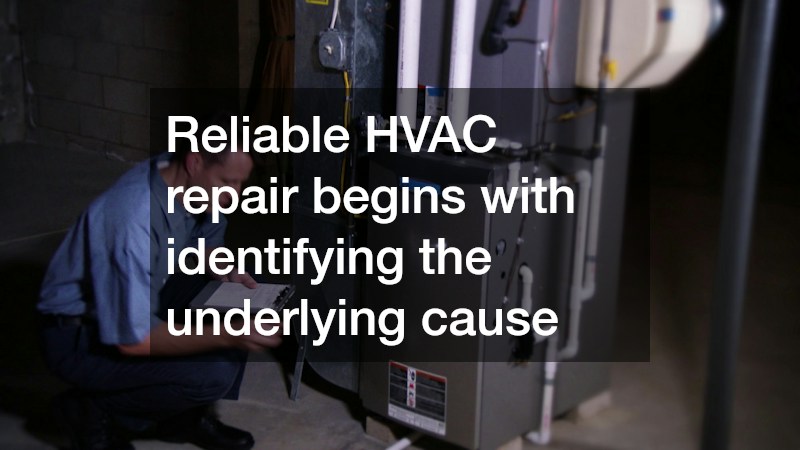
Reliable HVAC repair begins with identifying the underlying cause and choosing a solution suited to the equipment and the home’s needs. While simple tasks such as checking thermostat settings and replacing filters can help, electrical work, refrigerant handling, and internal component repairs should be left to qualified professionals. Combining prompt attention with regular maintenance can help maintain consistent indoor comfort and support dependable system performance throughout the year.